Still Mind Aikido — dojo

Women's Self-Defense

Cultivating
Awareness

Find inner and outer strength. Learn how to increase awareness and avoid harm.

Explore Some of the Benefits
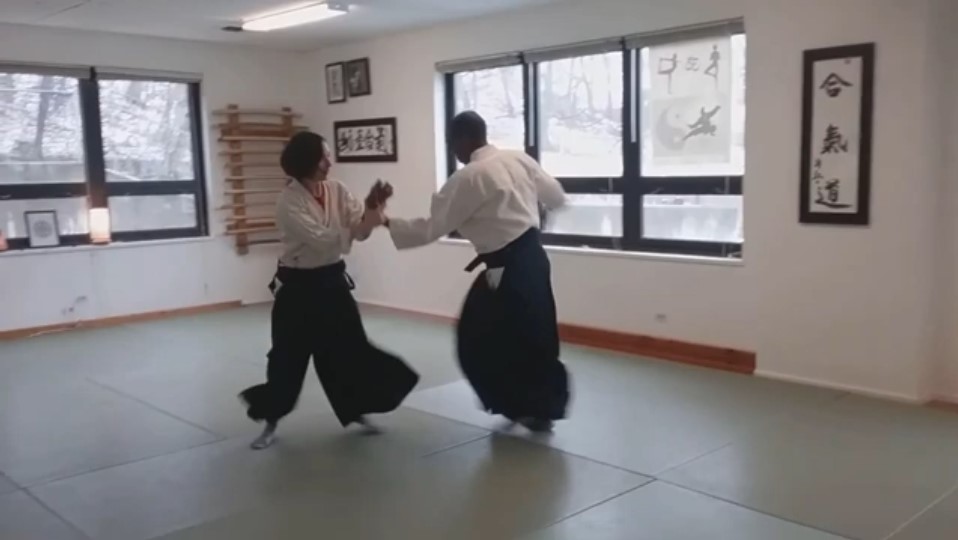
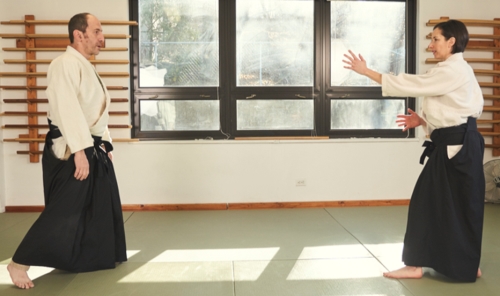
woman attacked
The Attack

Non-Violent Self-Defense

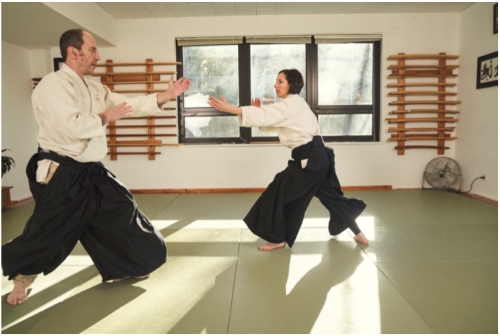
woman engages
Engagement

Engagement

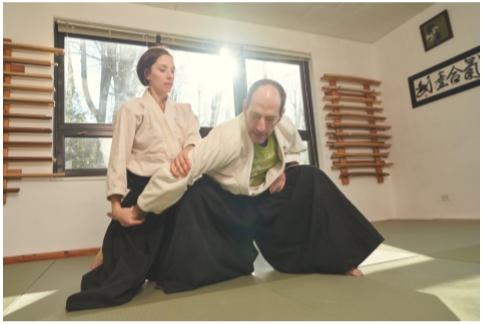
woman defends
Women Defends Successfully

Women Defense Successfully

Women's Self-Defense

Pre-College, College
and Beyond

Learn How a Small Investment in Time Can Bring Large Benefits for Future Safety

If you took one tennis lesson and waited 3 years to enter a tournament, how do you think you would do? Learning the physical techniques of self-defense is the same - one class will not help you at all.

It is widely known that simply bringing someone's attention to the risks they face in going off to college leads to giving them due consideration. Ultimately daily decisions can change and risks decrease. The stereotypical self-defense class provides physical techniques only, but the foundational principles of awareness and the potential risks mentioned earlier, are not normally fleshed out. The physical techniques are not likely to work unless trained for years, but the foundational principles can be used immediately. In addition, principles avoid the violent encounter BEFORE it occurs, a preferable outcome. The principles also prevent many of the other more critical risks a college student may face. The stereotypical self-defense class spends a good deal of effort for negligible benefit, but our approach requiring only one class can lead to much broader benefits over time.

Can Women Do Martial Arts?

"When I sent my daughter off to college I thought it would be wonderful for her to take a class in self-defense to avoid problems with sexual assault. But when I thought about it more, I realized the risks she faced were wider than I thought."

Risks to Young Women in College

Sexual assault over a 12 month period carries a risk of 12% which while significant and necessary to address, focusing only on sexual assault and physically based self-defense often obscures many other risks. We take a comprehensive approach.

Risk Problem Recency
12% Sexual Assault Last 12 Months
25% Abusive Relationships Last 12 Months
25% Serious Lapse/Substance Abuse Last 12 Months
5-10% Driving Under Substance Abuse Last Month
20-29% Treated Anxiety/Depression Last 12 Months
20-25% Serious Mental Distress/Suicidality Last 12 Months
2%</th> Suicide Attempts Last 12 Months
14-18% Obesity/Type II Diabetes Current Concern

Call or send us a message if you want to discuss options.

Risks for young men are broadly similar, so we welcome them into the program.

These problematic outcomes can be mitigated with a calm, clear and peaceful state of awareness in making life's decisions. We highlight this empowering perspective.

Parents often tell us: "While I thought of instilling these principles myself, I understand that young adults of this age just don't listen to their parents. A credible outside voice is a valuable tool. Even better if their friends are on board."

Community and Connection

To tackle all of the risks mentioned in the above tab, we clearly delineate principles of training and corresponding physical techniques they embody. Students will not gain proficiency in the techniques. The goal is for them to fully appreciate how the principles help them evade all of the risks of entering college long before the consequences become more serious.

Principles Based Self-Defense from Martial Arts Training (One Class)

To help students on their way, we set out a path for them to bring awareness to their decision processes to avoid the serious negative possibilities that college brings. This awareness is the foundational principle of all martial arts training. We include:

  1. The wider timeline for how decisions are made
  2. Early stage foundation - peace/clarity for good judgement
  3. Middle stage - managing activities and community for better outcomes
  4. End stage - faced with a crisis, principles to avert the worst

To illustrate the principles, real world stories of individuals avoiding violence are used and students are challenged to come up with their own strategies. Sometimes the setting is similar to what they may experience, but often times more oblique. People learn principles best when they do not seem so personal and emotionally charged.

Physical self-defense techniques are interspersed throughout the class that embody the principles taught. Students learn they are far stronger than they imagined, and they can learn to be very resourceful under pressure.

The clear emphasis on principles combined with the physical techniques they embody produces more lasting and beneficial impact.

One simple class cannot provide the benefits of years of disciplined training. But it can help them recognize a need and identify a course of action that can lead to well adjusted adulthood and they can pursue further training in any discipline they find suitable (yoga, meditation, martial arts, dance, music, etc.)

Call or send us a message if you want to discuss options.

Fee: For best outcome we recommend gathering a group of friends for wider benefit in their community. $20/person; minimum $100. We agree upon schedule time and location.

Woman Training in Aikido

Woman Training in Aikido

For adult women, the problem of self-defense is often more safety related. Here, the idea of one simple class to produce robust self-defense capability is simply unrealistic. Instead, there are two key points that need to be understood to decide on an approach to the problem.

Key Considerations

To help students on their way, we set out a path for them to bring awareness to their decision processes to avoid the serious negative possibilities that college brings. This awareness is the foundational principle of all martial arts training. We include:

  1. Martial Arts training is not exclusively the realm of men.
  2. The main reason most people train in martial arts are not for the self-defense benefits.

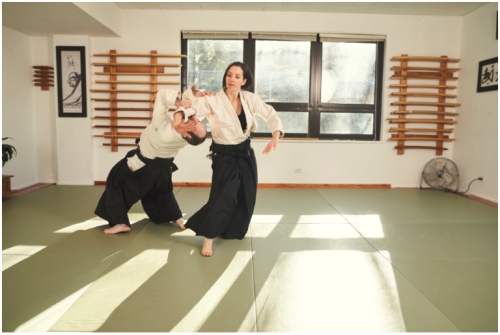
Women can become very skillful in developing genuine self-defense skill and training both with other women as well as men. Aikido and Tai Chi are the two most popular martial arts for women. Aikido has flowing circular techniques that are beautiful, yet quite powerful, and require little strength. Tai chi is similar but uses slow moving forms that emphasize health, similar to our Yoga Classes.

The assortment of benefits from martial arts training are vast and quite compelling. For this reason, most people who train in martial arts initially for self-defense soon discover there are other far better reasons to continue the tranining.

In the end, there is no quick fix or instant gratification in acquiring the ability to defend oneself. It simply requires the discipline of regular training and must be maintained in order to continue the presence of the skill. One simply must decide if the effort is worth it, but that decision should be made based upon a realistic understanding of your capacity to train and the overall benefits. Trying an aikido or tai chi class is a first step in making that decision.

Call or send us a message if you want to discuss options.

Begin Your Journey

Your First
Class Is
Free.

No pressure. No contracts. We'll reach out within 24 hours to confirm your class.

(914) 648-0492 398 S Central Ave, Scarsdale, NY 10583
Steve Kanney — Dojo Cho, Still Mind Aikido